
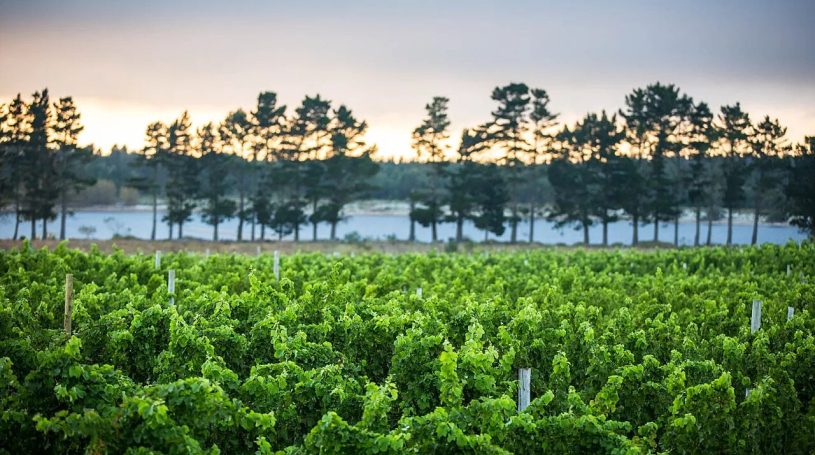
South Africa’s fruit-growing regions play a significant role in both the country’s agricultural economy and its travel landscape.
From apples to figs and lots more in between, these areas offer visitors a chance to experience working farms, seasonal harvests and rural heritage in a tangible way.
1. Langkloof Valley
Stretching between the Tsitsikamma Mountains and the Kouga Mountains, the Langkloof Valley is one of South Africa’s oldest fruit-growing regions. Apples and pears dominate here, with orchards lining the long, fertile corridor that connects the Eastern and Western Cape. The route feels refreshingly under-travelled. Farm stalls and roadside vendors offer fresh produce, preserves and dried fruit, often sold directly by the growers. Towns like Joubertina and Kareedouw provide quiet bases for exploring.
Visit in late summer to experience harvest season. The valley is at its most vibrant, with fruit trucks on the move and orchards heavy with produce. It is an ideal route for travellers interested in agricultural history without the crowds.
2. Vyeboom
True to its name, Vyeboom is synonymous with figs. Tucked between Villiersdorp and Grabouw, this small farming area has built a quiet reputation for its fig orchards and artisanal preserves. The surrounding landscape is lush and gently mountainous, making it a scenic detour rather than a destination that demands a full itinerary. What makes Vyeboom stand out is its sense of intimacy. Many farms are family-run, and produce is often seasonal and limited.
Pair a visit with a drive through the Theewaterskloof Dam area. In late summer, fig season brings a short but memorable window to taste fresh fruit at its peak.
3. Ceres Valley
Surrounded by dramatic mountain ranges, the Ceres Valley is one of the most recognisable fruit regions in South Africa. It is particularly known for apples, pears, peaches and nectarines, much of which supplies both local and international markets. The drive into Ceres via the Mitchell’s Pass sets the tone. Wide valleys open up to orderly orchards framed by rugged peaks. In winter, the mountains are often dusted with snow, adding a striking contrast to the farmland below.
Ceres is also one of the more accessible fruit routes for visitors. Guided farm tours, fruit packing facility visits and seasonal fruit picking experiences are available. This makes it a good choice for families or travellers looking for a structured introduction to fruit farming.
4. Elgin Valley
Just over an hour from Cape Town, Elgin is a cool-climate valley known for apples, pears and an increasingly strong wine and cider scene. The region balances agriculture with tourism in a way that feels both polished and grounded. Orchards stretch across rolling hills, often intersected by oak-lined roads and hiking trails. Many farms have diversified into tasting rooms, farm-to-table restaurants and weekend markets.
Elgin is particularly appealing in spring and early summer when blossoms transform the valley into a soft wash of white and pink. It is also a strong year-round destination, with activities ranging from mountain biking to wine tasting complementing the fruit route experience.
5. Wolseley
Set in the Breede River Valley, Wolseley offers a quieter alternative to some of the more well-known fruit regions. Surrounded by the Witzenberg Mountains, the area produces a variety of fruit including peaches, plums and citrus. The landscape is expansive, with wide open spaces and fewer commercialised stops. This makes it ideal for travellers who prefer a slower, more self-guided experience. Farm stalls and local markets provide opportunities to sample fresh produce without the need for formal tours.
Wolseley also works well as part of a longer road trip through the Breede River Valley, linking easily with Ceres and Tulbagh.
As interest in local food and sustainable travel continues to grow, these fruit routes are becoming more relevant than ever.